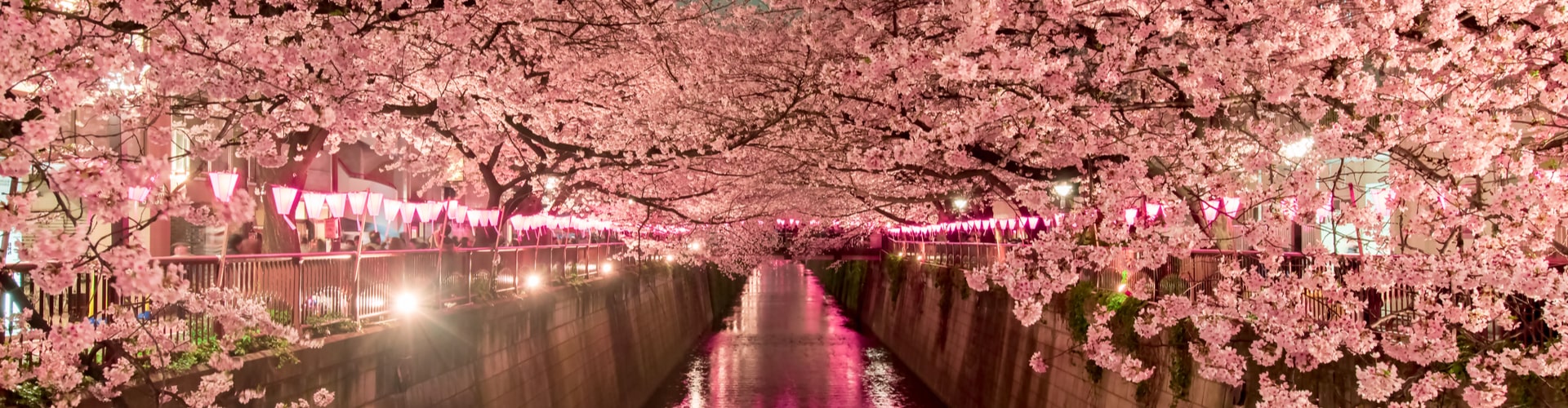
Cherry blossom season in Tokyo is short, unpredictable, and over almost as soon as it starts — a week and a half at best, often cut shorter by a spring storm. Rather than lock you into one park on one date months in advance, Terry tracks the bloom day by day across Tokyo and Kanagawa and builds your visit around wherever the blossoms are actually at their best.
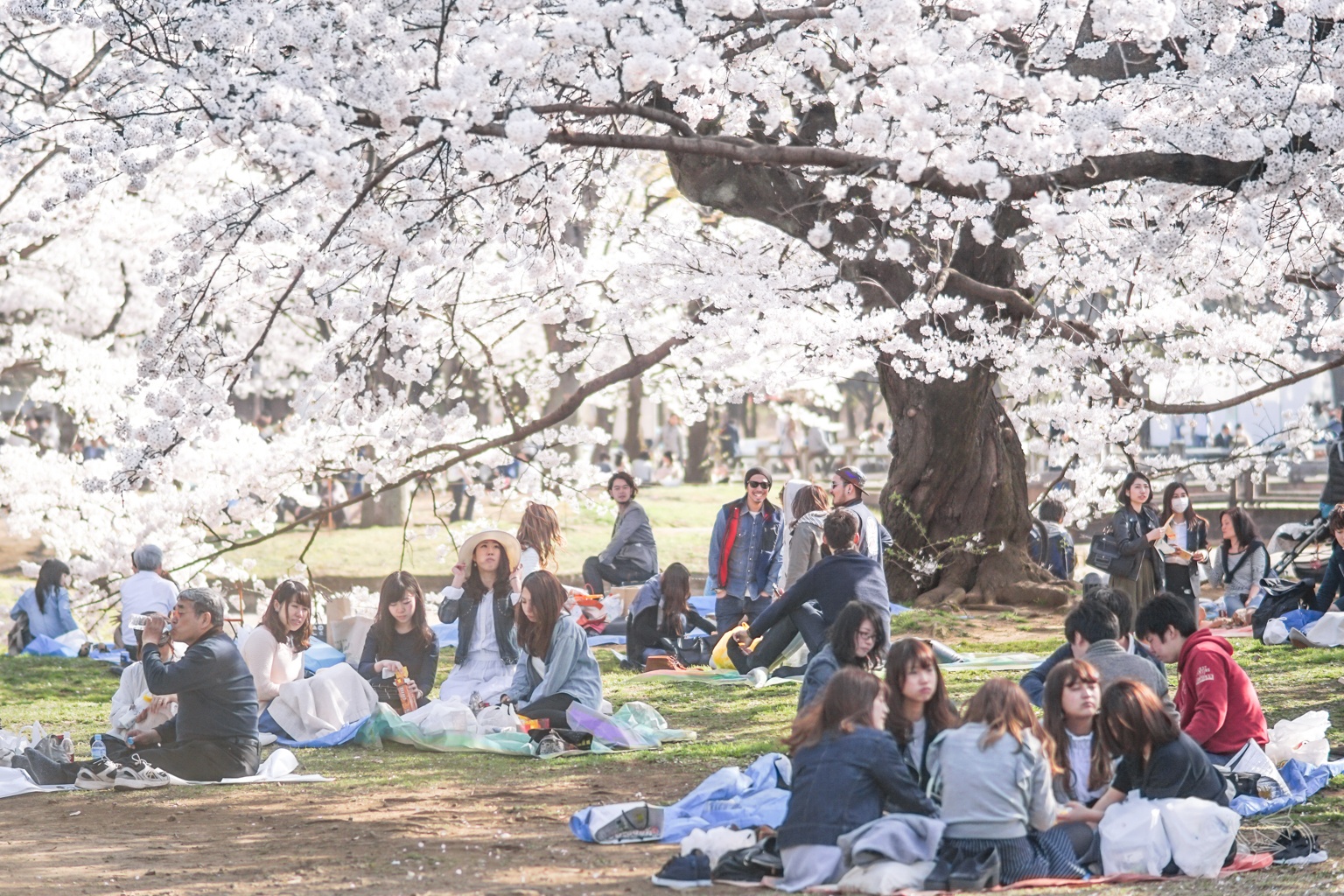
Tokyo's classic hanami park, but with a private guide who knows which stretch of lawn to claim before the crowds do. Wide open grass under towering canopy trees makes it the easiest spot in the city for a proper sit-down picnic — pair it with a walk through neighboring Harajuku or Meiji Shrine before or after.
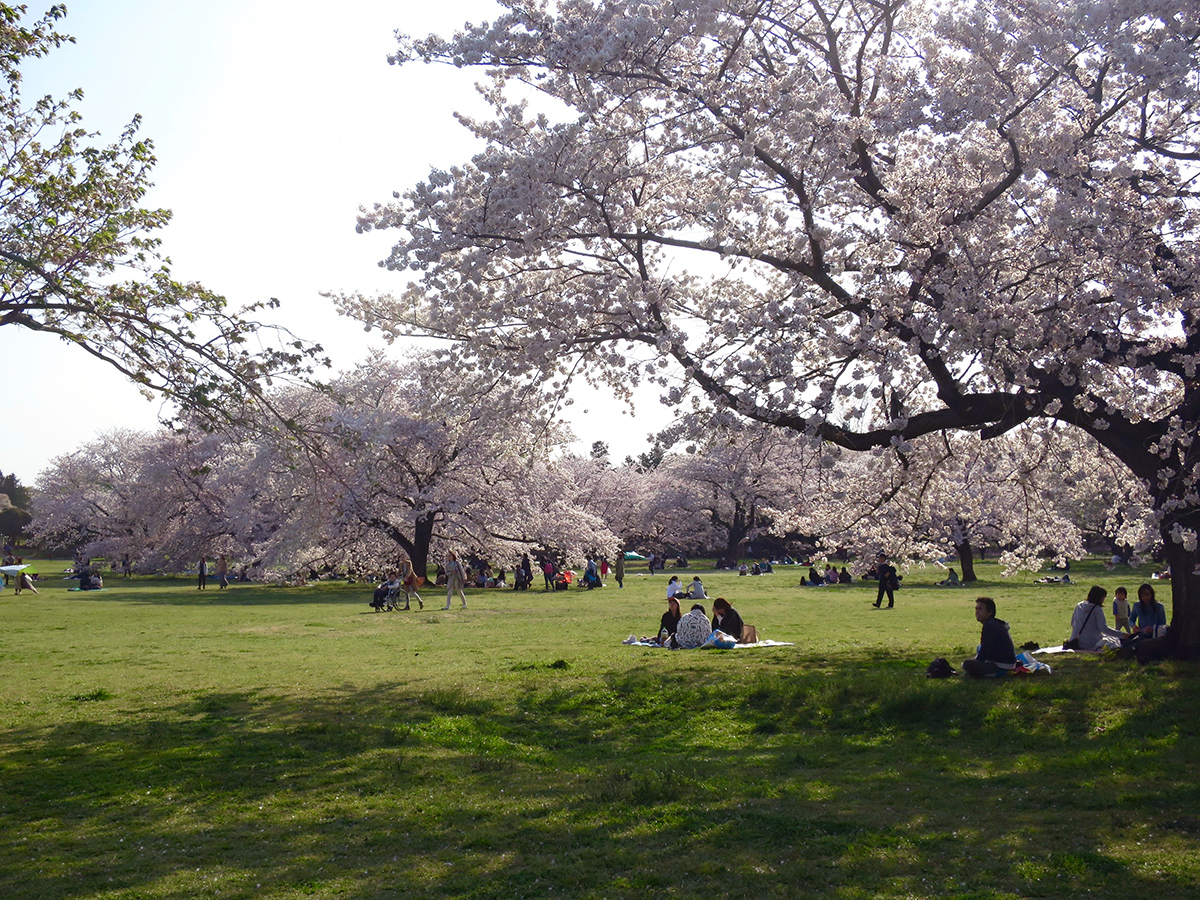
One of the region's biggest displays: roughly 1,500 trees across 31 varieties spread through this sprawling national park, with the heart of it in the aptly named Sakura no Sono, where trees over fifty years old form a dense, mature canopy. Time it right and the neighboring rapeseed fields bloom bright yellow right alongside the pink — one of the best color contrasts of the season.
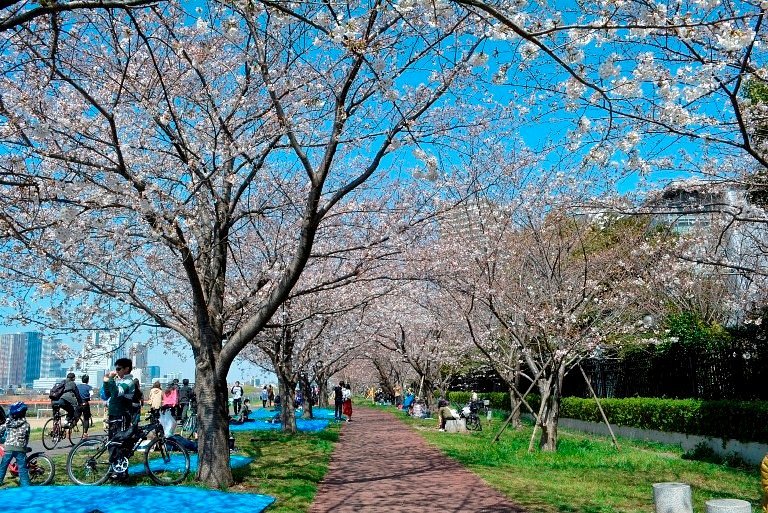
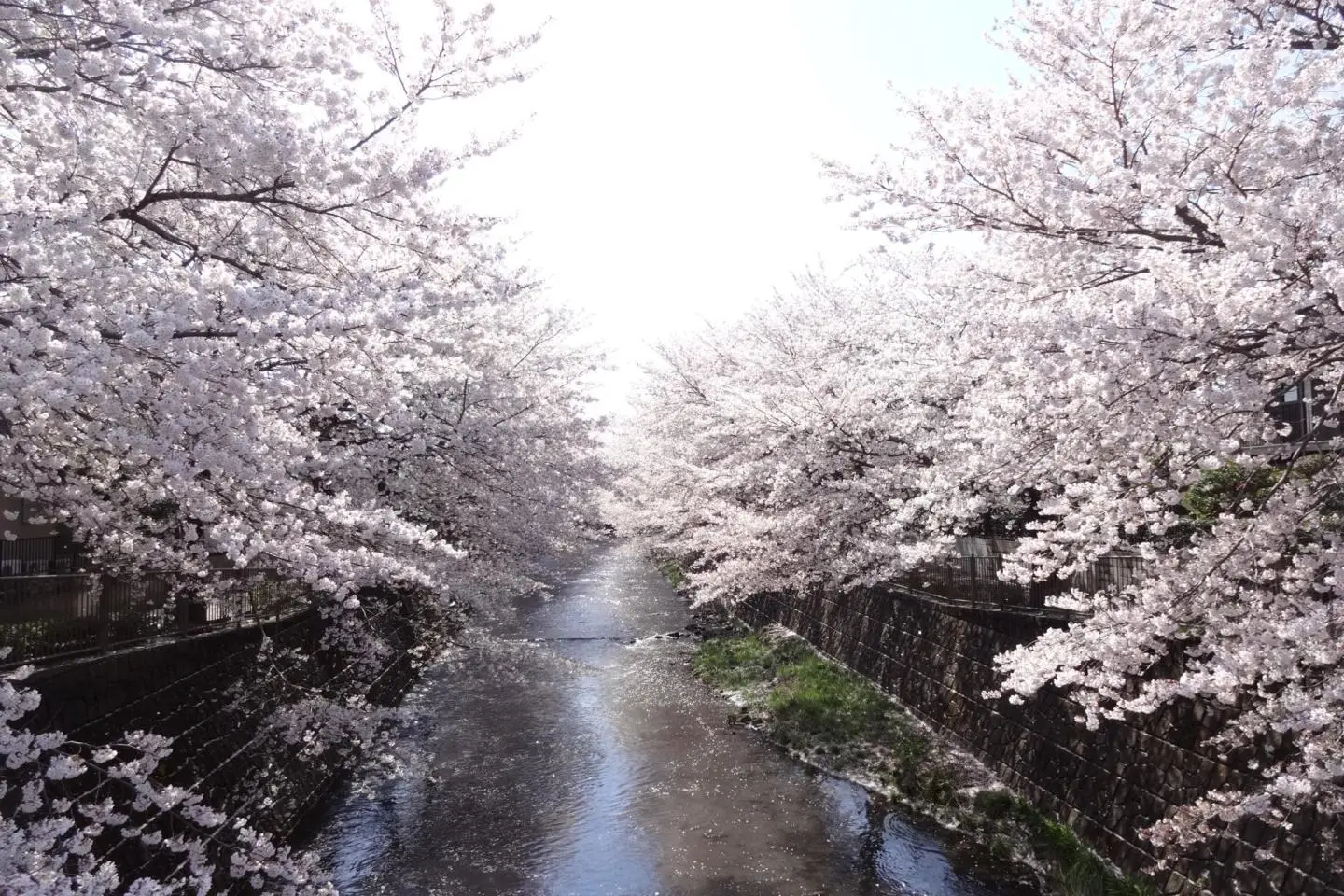
A quieter riverside alternative — open sky, water reflections, and none of the shoulder-to-shoulder crowding of the inner-city parks. A good stop for guests who want the feeling of hanami — trees, river, breeze — without fighting for space.
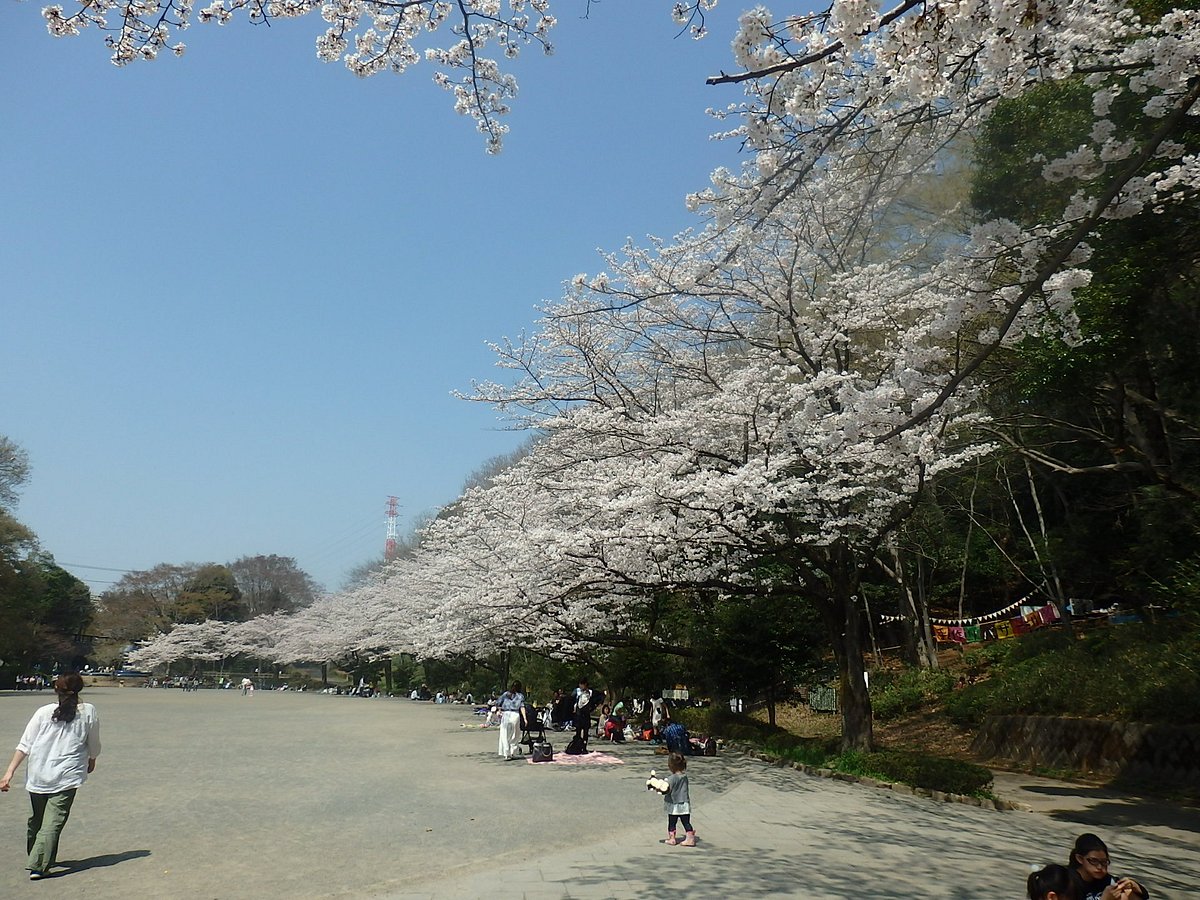
Terry's home-turf pick, a thirteen-minute walk from Machida Station. A genuinely local park — koi ponds, small waterfalls, and the Machida City Museum of Graphic Arts tucked inside — that also hosts its own low-key sakura matsuri each spring. Locals bring their kids here; tourists almost never do.
A quiet river walk lined with cherry trees, the kind of spot that shows up on no guidebook's list. Ideal for guests who've already seen the famous parks on a past trip and want to see how Tokyo residents actually spend their hanami afternoons.
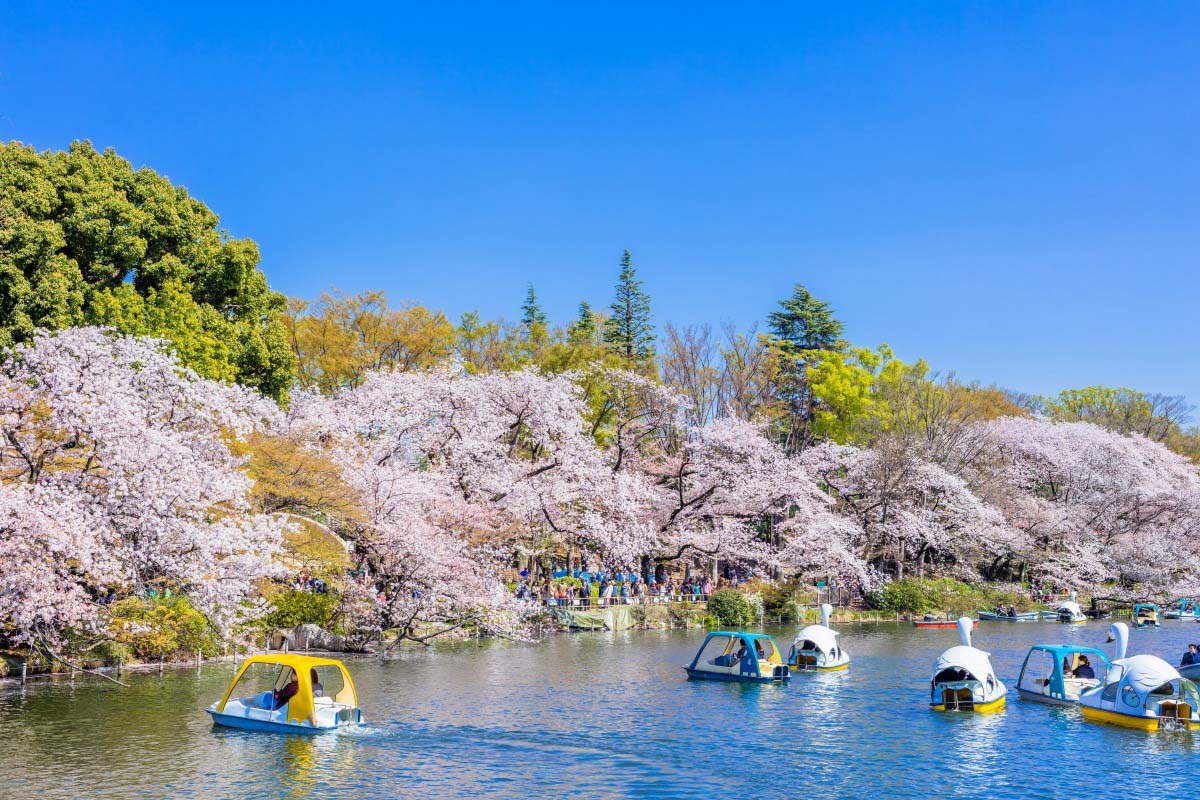
Roughly 400 cherry trees ring Inokashira Pond, about 250 of them close enough to lean directly over the water — officially ranked among Japan's Top 100 Cherry Blossom Spots. Rent a swan boat and drift underneath the blossoms, or take in the view from Nanai Bridge. Five minutes from Kichijoji Station, with the Ghibli Museum close enough to add to the day.
Cherry blossom season lasts barely a week and a half, and more often than not, a spring gust or a passing shower moves in right in the middle of it. Most tour companies treat that as bad news. We don't.
When the wind picks up and the blossoms start falling, Tokyo turns into something else entirely — petals drifting through the air like snow, catching on umbrellas, settling on the street. It's one of the most beautiful, most photographed moments of the whole season, and it only happens for a day or two. If you're out with us when it hits, you're not watching your trip get rained out — you're watching sakura-fubuki, cherry blossom snow, in person.
We track the bloom daily and route you to whichever park is at its peak when you arrive — so instead of hoping for a clear day, you get to experience Tokyo in every mood spring throws at it.
Sakura season is too short and too weather-dependent for a fixed itinerary set months in advance. Terry tracks the daily bloom forecast across Tokyo and Kanagawa and builds your day around whichever park is actually at its best when you arrive.
All visits are private and fully customizable, mixing the spots above to fit your pace, interests, and how many days you have in town.
One day a year, Kanayama Shrine in Kawasaki hosts one of Japan's most misunderstood festivals — and most Japanese people have never heard of it either.
The shrine's gods, Kanayama-hiko and Kanayama-hime, were originally worshipped by blacksmiths and metalworkers for protection on the job. Legend also credits them with healing the god Izanami after childbirth, which is how they became associated with healing, fertility, and marital harmony. The modern festival itself only dates to 1969, and today it also raises money for HIV/AIDS research — there's real substance behind the spectacle.
Pair it with cherry blossoms nearby, a walk through the Kawasaki Daishi shopping arcade, live music and street food, the mikoshi parade, and a visit to 川崎大師 平間寺 itself. Three visits in and it's still one of Terry's favorite days of the year to guide.