⛰️ Mountain Shrines · River Gorge Adventure
Chichibu & Nagatoro
A scenic escape into Saitama's mountains — ancient shrines, a dramatic river gorge cruise, and volcanic rock terraces carved by centuries of rushing water.
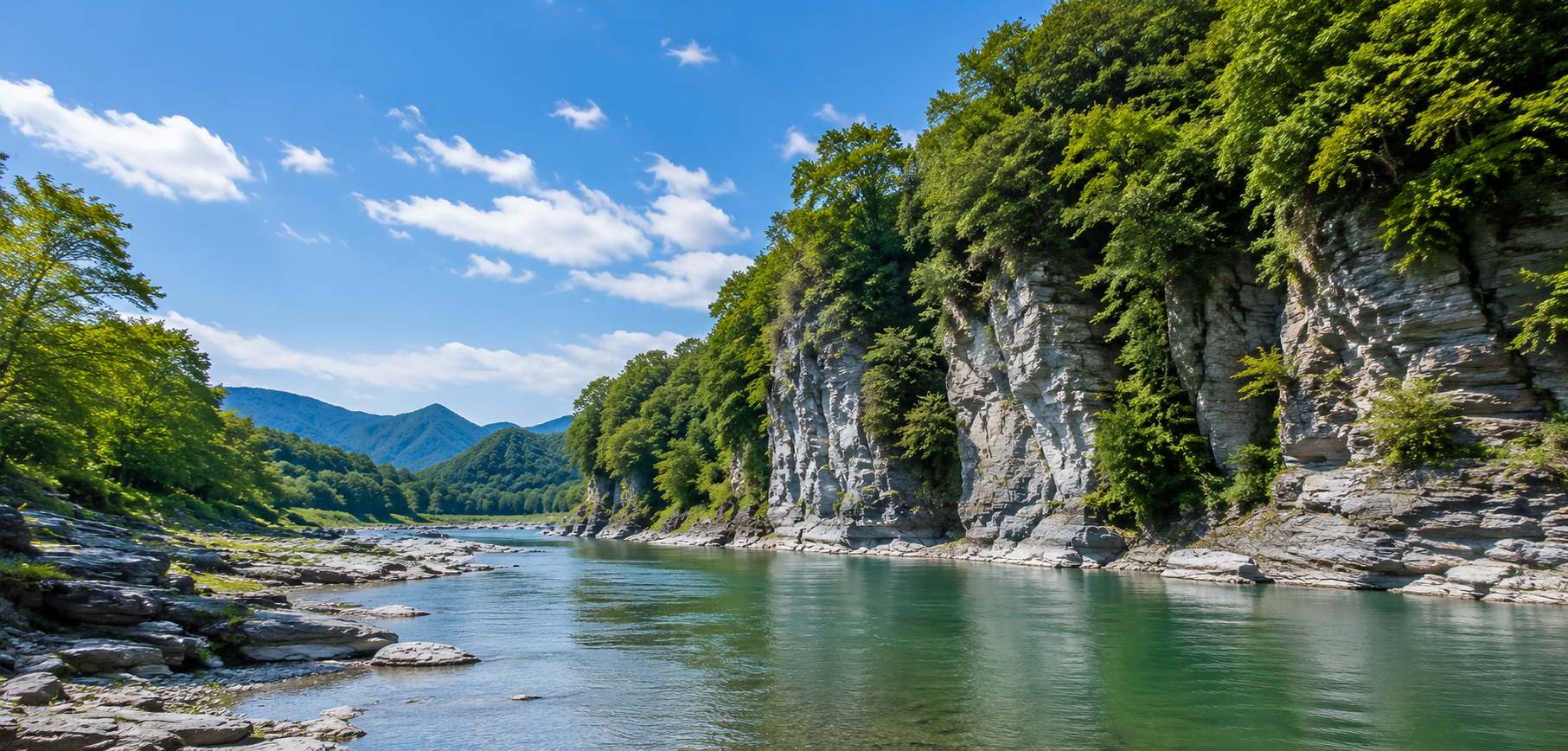
Chichibu is a historic mountain basin in Saitama Prefecture, long considered one of the spiritual centers of the Kanto region thanks to its ancient shrine and the sacred peaks that ring the valley. A short ride further upriver brings you to Nagatoro, where the Arakawa River carves through layered volcanic rock, creating one of Japan's most striking natural gorges. Together they offer a full day of shrine history, river adventure, and mountain calm — a world away from Tokyo's density, yet reachable in under two hours by train.
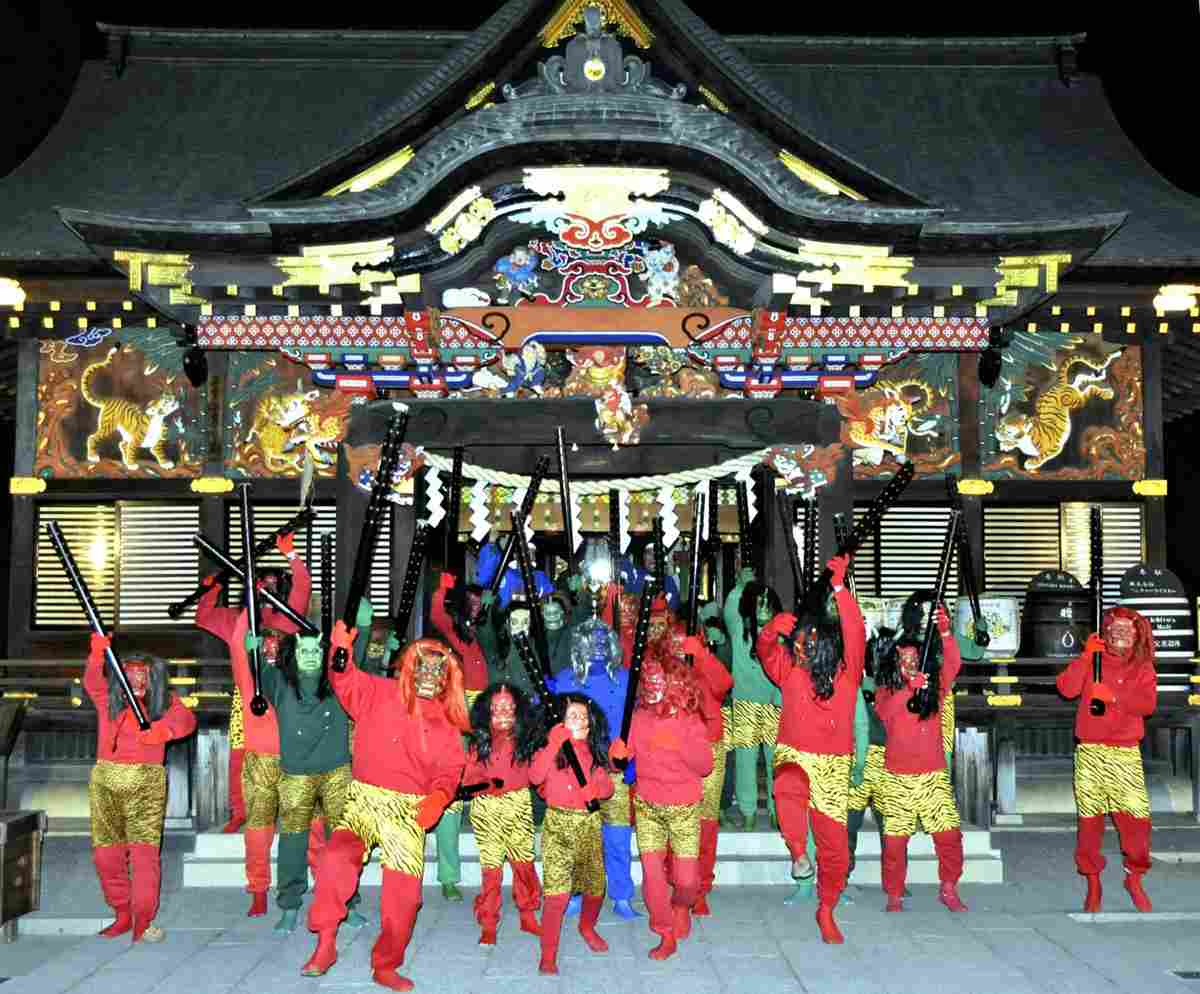
Chichibu Shrine is one of the oldest shrines in the Kanto region, with roots stretching back over 2,000 years by local tradition. It's best known for the intricately carved wooden reliefs decorating its main hall, including the celebrated "Crawling Dragon" and "Sleeping Elephant" panels attributed to the Edo-period master sculptor Hidari Jingoro. The shrine sits at the base of Mt. Buko, the dramatic limestone peak that dominates the Chichibu basin, and the approach along Banba-dori — a quiet street of traditional shopfronts — sets a slower pace before entering the grounds. Chichibu Shrine is also home to the Chichibu Yomatsuri, one of Japan's three great float festivals, held every December.

A five-minute walk from Chichibu Shrine, the Chichibu Meisen Museum is housed in a former textile inspection hall and tells the story of Chichibu meisen, a distinctive silk weaving technique once so central to the local economy that Chichibu was known nationwide as a silk town. The museum's working looms and dye vats are still used to produce the fabric's signature blurred, kaleidoscopic patterns, and visitors can watch artisans at work on the same wooden machines used a century ago. It's a quieter, more contemplative stop than the shrine or the river gorge, offering a glimpse into the industry that built much of Chichibu's prosperity before tourism did.
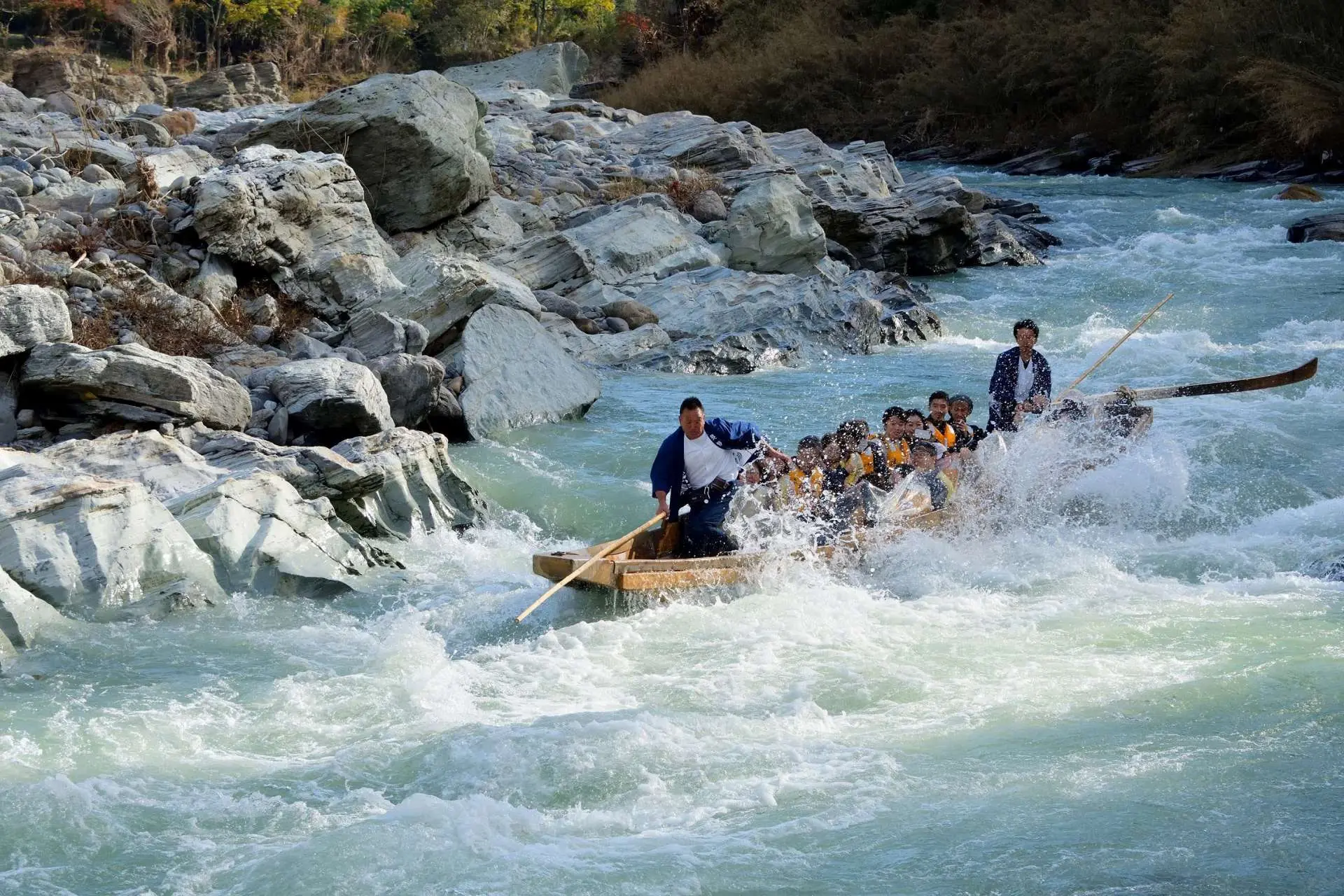
A short ride on the Chichibu Railway from Ohanabatake Station brings you to Nagatoro, where the Arakawa River cuts through a gorge of exposed crystalline schist rock — striking geology reachable from Tokyo in a single day. The traditional "Kudari" river cruise carries passengers down a stretch of mild rapids in a wooden boat guided by a skilled boatman with a long pole, alternating calm stretches beneath rising rock walls with a few short bursts of white water. Afterward, Iwadatami — a broad, naturally tiered rock terrace along the riverbank — is a striking place to walk, its flat plates of stone folded and stacked by millions of years of geological pressure, now a designated Special Natural Monument.
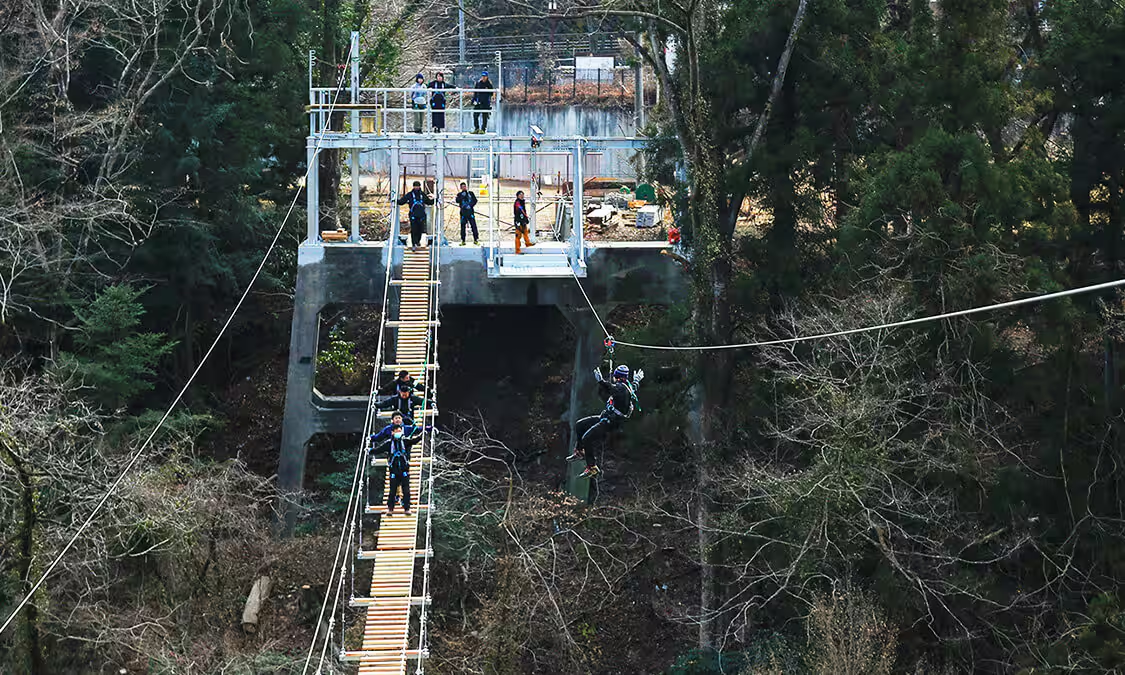
A short walk from the Nagatoro river cruise dock, Takasagobashi is a pedestrian suspension bridge strung across the Arakawa River, offering a different vantage point on the same schist rock gorge seen from the water below. The bridge sways gently underfoot as you cross, framing views back toward Iwadatami's tiered rock terraces and the forested hills rising steeply on either bank. It's a quick, easy stop — most visitors spend twenty to thirty minutes here — but the elevated perspective on the gorge is well worth the short detour before continuing on toward Hodosan.
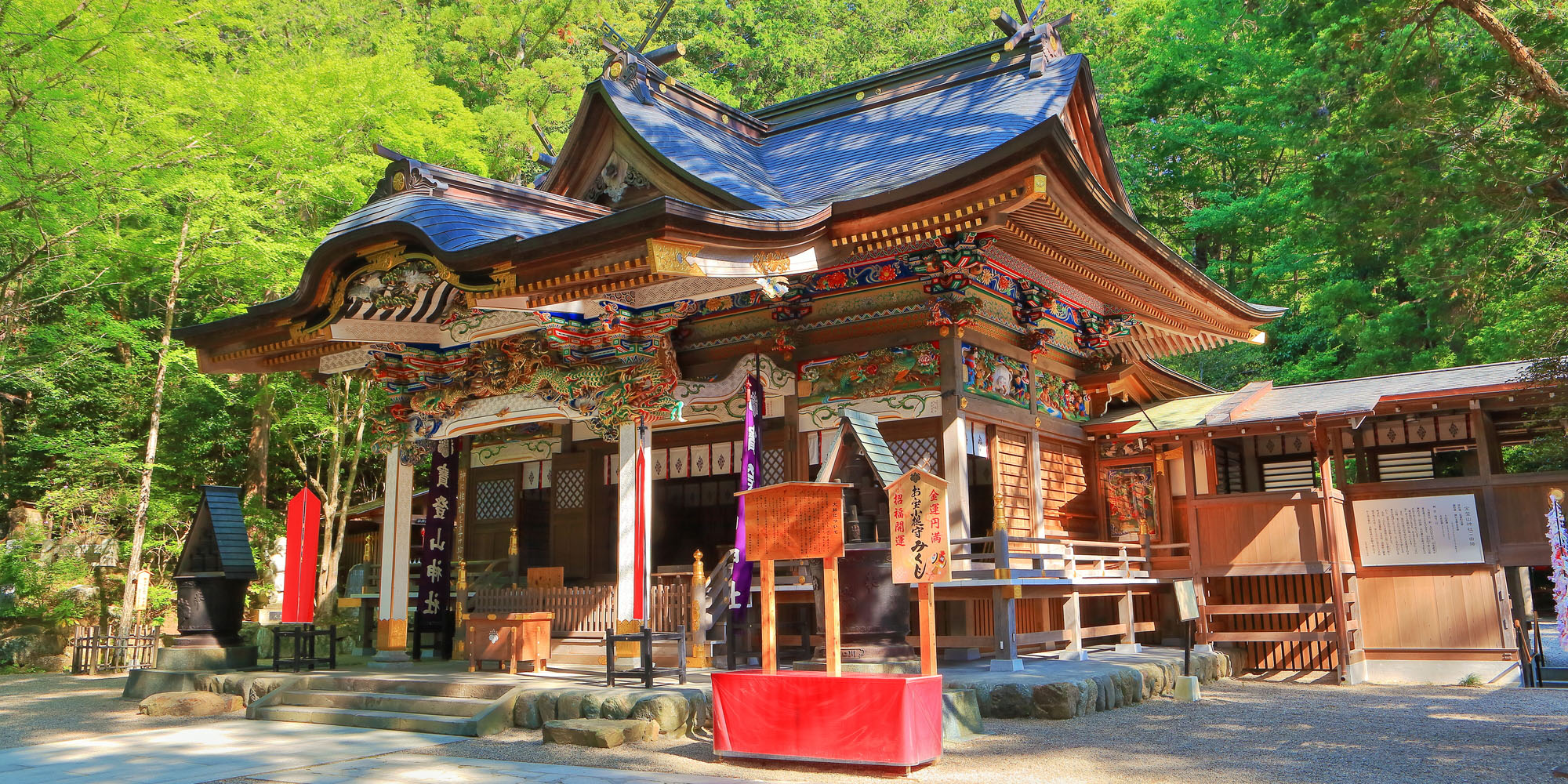
Hodosan Shrine sits at the base of Mt. Hodo, its approach a peaceful, tree-lined stone path climbing gently past stone lanterns and old cedar trees toward a shrine complex known for its vividly painted carvings and its long association with wolves — believed in local legend to have guided the shrine's founder to safety during a forest fire. The shrine has stood in some form since the 1st century, and though its buildings have been rebuilt several times, the sense of a mountain sanctuary carved out of dense forest has remained constant. A ropeway near the shrine base climbs further up Mt. Hodo, offering views over the Chichibu basin and, on clear days, the mountains beyond.

Matsuri-no-Yu is a hot spring and shopping complex built directly beside Seibu-Chichibu Station, designed to give travelers a final taste of the region before heading back to Tokyo. Its natural hot spring baths — both indoor and outdoor — draw on mineral-rich water and are a welcome way to unwind after a day of walking and river cruising, while the attached market hall sells the food and drink Chichibu is known for: shaved ice (kakigori) piled high with syrups in summer, bottles from local sake breweries, and regional sweets. It's an easy, unhurried final stop that lets the day close at the same relaxed pace it began.
The Chichibu Railway connects all the major stops in the valley in short, scenic hops, and the walk from Seibu-Chichibu Station to the shrine is gentle and easy. Terry handles every ticket and timing so the day flows smoothly between mountain shrine, river gorge, and hot spring.
All excursions are private and fully customizable — ensuring you move smoothly at your own ideal pace with Terry.
* Terry's personal transit, admissions & meals are also included — no hidden costs on the day.