📍 Off the beaten path · Local Tokyo
Hidden Tokyo
Shotengai, local markets, old-school kissaten & real neighborhood life.
Forget the selfie spots. This tour dives into the Tokyo that locals actually live in — narrow shotengai shopping streets, neighborhood coffee shops unchanged since the 1970s, family-run tofu shops, and the quiet residential backstreets that give the city its real character. Terry has been walking these streets for 27 years and knows every shortcut, every shop, and every story.
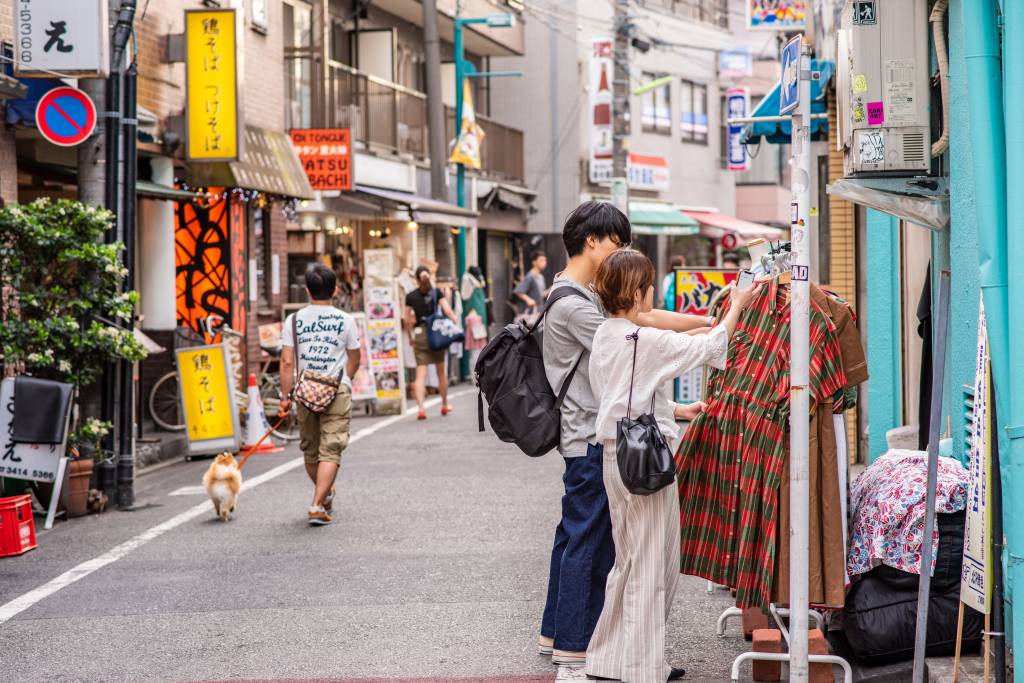
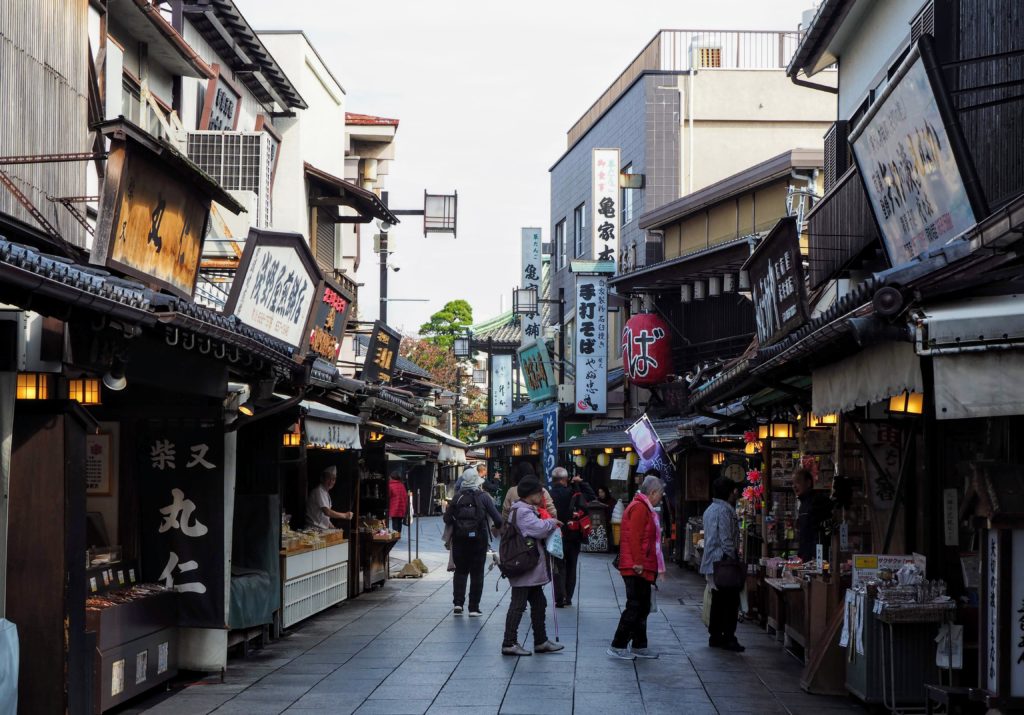
A shotengai is a covered or semi-covered neighbourhood shopping street, and at one time nearly every district in Tokyo had one — the local high street where residents bought their fish, vegetables, rice, and household goods within walking distance of home. Many of these have disappeared as supermarkets and convenience stores took over, but a number survive largely intact, particularly in the older, lower-lying parts of the city that escaped the worst of postwar redevelopment. Walking one of these streets is a window into a Tokyo that runs on completely different rhythms from the department stores and malls — fishmongers calling out the day's catch, elderly shop owners who have run the same stall for fifty years, tiny standing-only noodle counters, and the specific smell of grilled fish and incense that defines old Tokyo mornings. Terry picks the specific shotengai based on the day's route, choosing whichever genuinely active local street best fits the rest of the itinerary.

The kissaten — a Western-style coffee shop most associated with the postwar Showa era — is one of Japan's most distinctive and quietly endangered institutions. Unlike the espresso bars and chain cafes that have proliferated since the 1990s, a real kissaten is unmistakable: dark wood panelling, deep leather booths, jazz or classical records on an actual turntable, heavy ceramic cups, and an owner who has been pulling siphon or nel-drip coffee using the same method for decades. The atmosphere is unhurried in a way that feels almost rebellious in modern Tokyo — these are places designed for sitting quietly with a book or newspaper for an hour, not for turning tables. Many kissaten also serve a distinctive food culture of their own: thick "kissaten toast," fluffy omelette rice (omurice), and the Japanese-style "morning set" of toast, egg, and coffee that remains a beloved breakfast tradition.
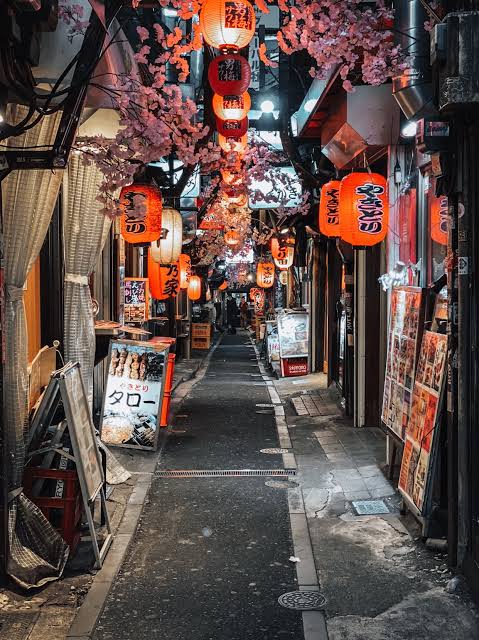
Beyond the main shopping streets and landmark temples, the real texture of a neighbourhood like this lies in its roji — the narrow residential lanes, often too tight for a car, that wind between houses in patterns that predate any modern urban planning. These alleys are lined with potted plants and tiny container gardens that residents tend on whatever scrap of pavement they can claim, laundry drying on balconies a few feet above your head, small shrines tucked into corners, and the occasional vending machine glowing in an otherwise quiet lane. This is where the idea of Tokyo as a collection of villages becomes tangible — each block has its own micro-community, its own shopkeepers who know their neighbours by name, and a pace of life that feels a world away from the nearest station, even though it might be five minutes' walk away. Terry threads through these lanes based on decades of exploring them himself, well away from anything in a guidebook.
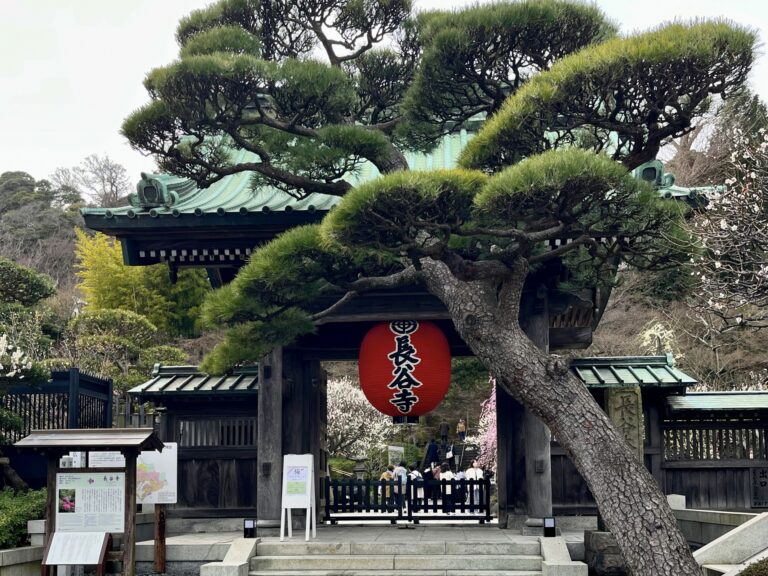
Tokyo contains over 1,700 temples and shrines, the overwhelming majority of them small, neighbourhood-scale places of worship that receive almost no visitors outside the immediate community they serve. These are not the grand structures that appear in guidebooks — they are the places where the shopkeeper stops on his way to open up each morning, where the elderly woman leaves a small offering of rice on her daily walk, where the neighbourhood children race through on their way home from school without giving the thousand-year-old stone lantern beside the gate a second thought. Finding them requires knowing where to look, and the particular neighbourhoods Terry navigates — Yanaka, Nezu, Yanesen — contain a higher density of these surviving small temples and shrines than almost anywhere else in Tokyo, because the area was spared the firebombing of 1945 that cleared much of the rest of the city.
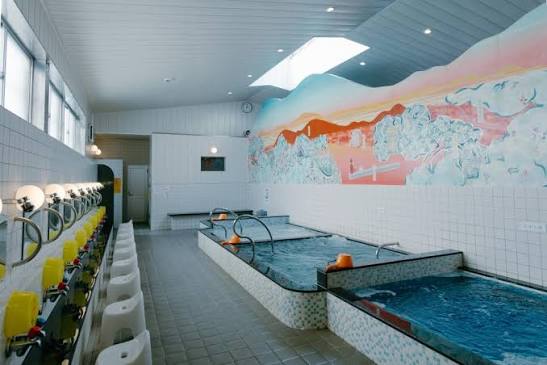
The sento — the neighbourhood public bathhouse — is one of the oldest communal institutions in Japanese urban life, and one of the most rapidly disappearing. At their peak in the 1960s there were over 2,600 sento operating in Tokyo alone; today fewer than 500 remain, as home bathrooms became universal and the generation that relied on them daily aged and thinned. The ones that survive are among the most vivid expressions of old Tokyo community life still accessible to a visitor: the high-ceilinged wooden changing rooms with their rows of wicker baskets, the painted mural of Mount Fuji above the bathing area that is the near-universal decorative standard of the traditional sento, the elderly men who have been coming to the same bench at the same hour since the 1970s, the particular ritual of the scrub, soak, and cool-down that structures the visit.
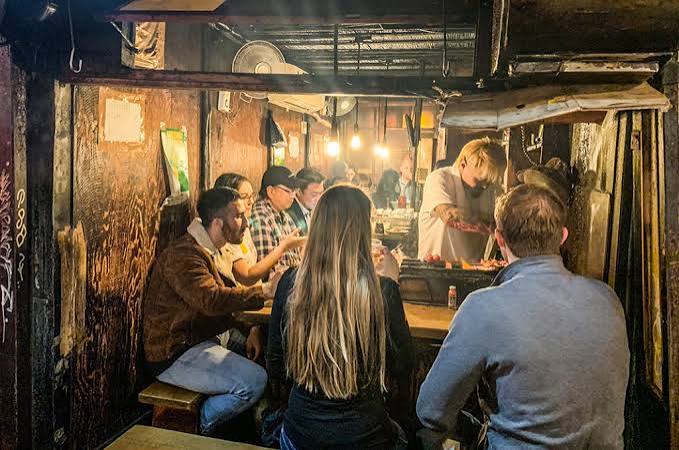
The yokocho — literally "side street" — refers specifically to the narrow alleys of tiny bars that grew up in the postwar years across Tokyo's working-class neighbourhoods, when the combination of bombed-out land, scarce building materials, and enormous demand for cheap drinking spaces produced a spontaneous architecture of improvised counters, corrugated metal roofs, and paper lanterns that has proved remarkably durable. These alleys are the antithesis of the cocktail bar and the rooftop lounge: they are intimate to the point of being slightly claustrophobic, the counter is the only seating, the menu is short and written by hand, and the conversation between strangers is not just possible but essentially unavoidable. In the neighbourhoods Terry navigates, the surviving yokocho have been operating in the same physical form for sixty or seventy years, their regular customers forming the kind of long-term community that no wine bar or gastropub ever produces.
No hidden fees on the day — Terry's personal transport, admissions and lunch are also included.
Best enjoyed at a slow, curious pace. Bring comfortable walking shoes.
All tours are strictly private — just your personal group with Terry. No strangers, no rushing schedules, no megaphone tour groups.
Terry speaks fluent English and Japanese, seamlessly unlocking local interactions that remain inaccessible to solo travelers.
Because these historic backstreets and local shopping corridors naturally involve slow exploration, we walk at your exact chosen pace. Since this is a completely tailored, private experience, Terry seamlessly customizes itineraries to focus on your preferred local elements without any stress.