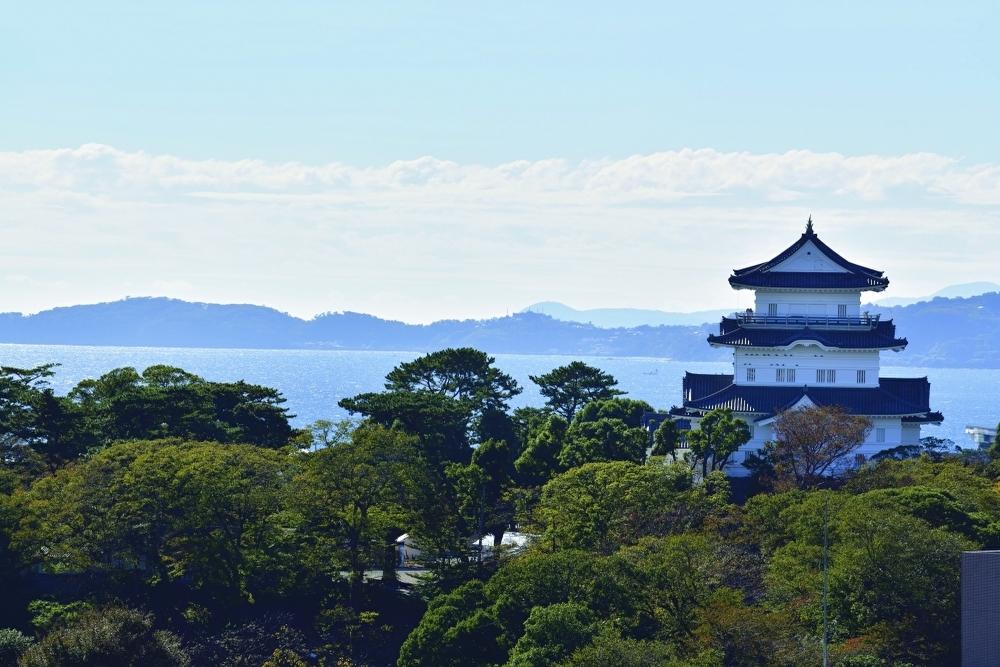
🏯 Castle Town · 45 min from Tokyo
Odawara
Samurai castle, fish markets & the old Tōkaidō highway — a castle town most visitors pass through without stopping.
Odawara is a castle town that most people pass through on the way to Hakone and never stop to explore — which is their loss. The city was the stronghold of the Hojo clan for over a century, and its castle, fish market, old Tokaido highway remnants, and shogunate-era merchant quarters give it a depth of history that few comparable towns in the Kanto region can match. Add one of the finest kamaboko (fish cake) traditions in Japan, a coastal promenade with views to Izu, and some excellent seafood restaurants, and Odawara earns a full day of its own.
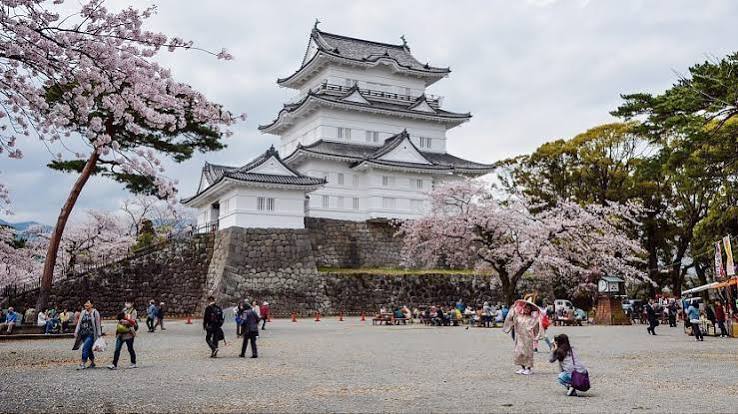
Odawara Castle was the impregnable stronghold of the Hojo clan — the most powerful warlords of the Kanto region — for nearly a century, and the last great castle to fall to Toyotomi Hideyoshi's unification campaign in 1590. The Later Hojo held Odawara through a combination of military genius and political shrewdness, expanding their territory across the entire Kanto plain from this mountain-backed coastal fortress. When Hideyoshi finally moved to dislodge them in 1590, he assembled a siege army of over 200,000 men — the largest military force Japan had ever seen — and encircled the castle for three months before the Hojo capitulated without the main walls ever being breached.
The current keep is a 1960 concrete reconstruction of the Edo-period original, but it sits within an extensive park of original moats, stone walls, and gate structures that convey the castle's genuine scale. The keep museum on the upper floors documents the Hojo clan's 100-year dominance of eastern Japan in considerable detail, with armour, maps, and artefacts from the siege period. In late March the castle park's 300 cherry trees make it one of the finest blossom spots in the greater Tokyo day-trip circuit, drawing crowds from across the Kanto region for the week-long peak.
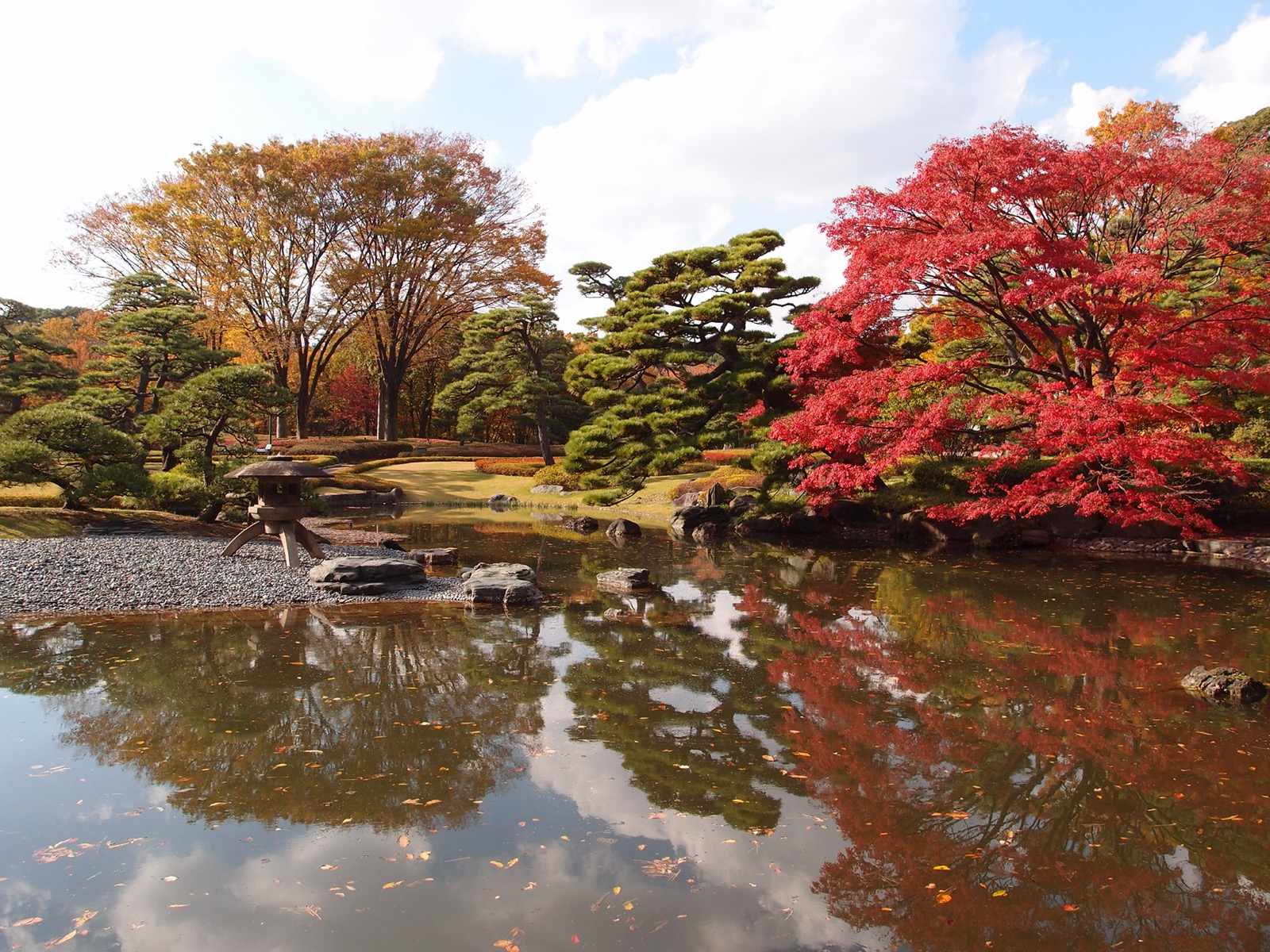
Within the castle's second bailey, the Ninomaru Garden is a traditional Japanese stroll garden of considerable beauty — iris beds, a central pond, stone lanterns, and old pine trees arranged around a space that originally served the Edo-period castle lord's inner compound. The garden design follows the classic Japanese stroll style, where each element is revealed progressively as you move around the central pond: a stone bridge here, a granite lantern half-hidden in foliage there, the sound of water before you see its source.
In June the irises are spectacular, filling the beds with dense colour in shades of violet, white, and blue — one of the finest iris displays in the Kanto region and a specific reason to visit Odawara outside cherry blossom season. In April, plum and cherry extend the park's blossom season. The garden is consistently overlooked by visitors focused on the main keep, making it one of the quieter and more reflective spots in the castle grounds. The restored Tokiwagi-mon gate at the garden's north entrance — its heavy timber construction and white plaster walls virtually unchanged from the Edo period — is one of the finest surviving castle gates in Kanagawa Prefecture.
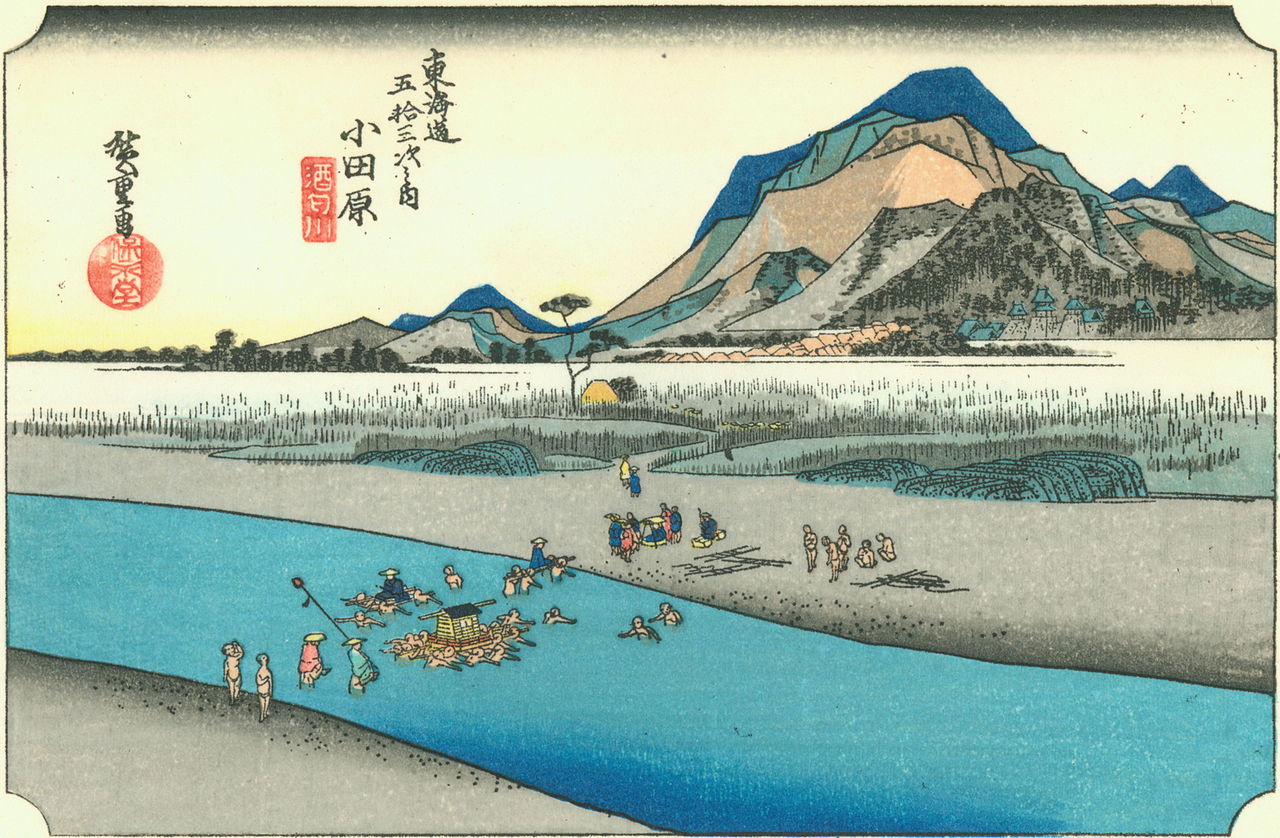
Odawara was the 9th of the 53 post stations on the old Tokaido highway connecting Edo and Kyoto, and at its peak during the Edo period it was one of the busiest and most prosperous stops on the entire road. The town's position just before the mountain pass into Hakone — the last major obstacle before reaching Edo from the west — made it a mandatory rest point for every daimyo procession, official courier, and pilgrim travelling the highway. The merchant quarter that grew up to service this traffic became one of the wealthiest in the Kanto region outside Edo itself.
The street running north from the castle toward the station follows the original Tokaido alignment, and along it a number of old merchant houses — some converted into shops and restaurants, others still in family use — retain the deep eaves, thick plaster walls, and dark latticed street fronts of Edo-period commercial architecture. Several of Odawara's famous kamaboko shops have been trading on this street for four or five generations, their shopfronts essentially unchanged. Walking this stretch with Terry, who can identify each building's history and period, gives the street a density of meaning that it is easy to miss when walking alone.
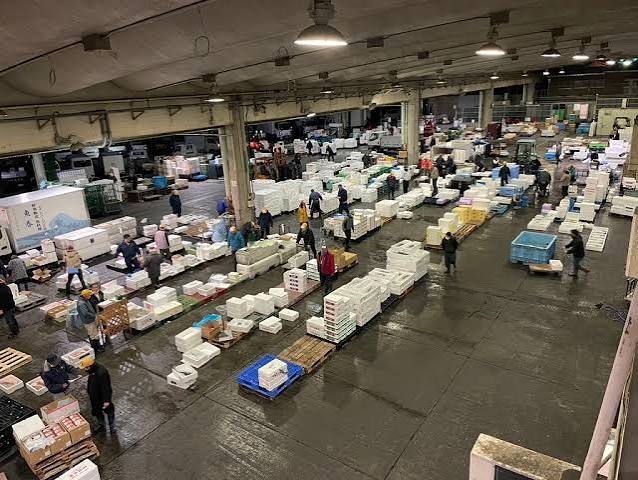
Odawara's fishing port on the coast below the castle has supplied the city — and Tokyo's wholesale fish markets — with seafood from Sagami Bay for centuries. The bay's geography, where cold deep-water currents meet warmer coastal shallows, creates exceptional fishing grounds for a wide range of species. The fishing fleet still goes out daily, and the connection between the boats and the restaurants here is direct in a way that is increasingly rare: the fish on your plate at lunch was likely caught the same morning.
The Odawara Uoichiba fish market complex near the port is open to the general public and houses a dozen seafood restaurants and stalls offering the day's catch in sashimi sets, grilled whole fish, and the various kamaboko and himono (dried fish) products for which Odawara is particularly famous. The fishing boats work Sagami Bay for aji (horse mackerel), saba (mackerel), and sakura ebi (cherry shrimp) that appear on menus according to season. It is one of the most accessible and genuinely good fish market lunch experiences within reach of Tokyo — busy, unpretentious, and completely real.
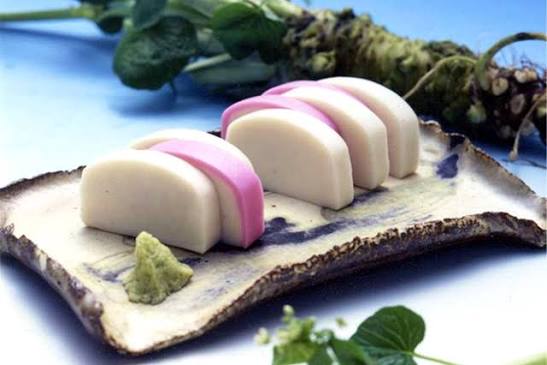
Odawara has been producing kamaboko — steamed and grilled fish cake, a staple of Japanese cuisine — since the Edo period, when the abundant white fish of Sagami Bay and the town's position on the Tokaido as a major distribution hub made it the natural place to perfect and commercialise the product. Travellers on the highway bought Odawara kamaboko as both a meal and a souvenir to carry back to Edo, and the town's reputation spread throughout Japan. Today the city has over 70 kamaboko producers, the craft has been designated an Odawara traditional industry, and the product remains the town's most famous export.
The shops along the old Tokaido and near the castle offer tastings and a range of products that show how far the tradition extends beyond simple fish cake — grilled slabs brushed with miso, decorative seasonal shapes, soufflé-style versions, kamaboko paired with sake and sold as a set. Several shops run workshops where you can make your own alongside a craftsman, pressing and shaping the fish paste onto the traditional wooden board and watching it steam into the finished product. The best traditional producers use only fresh fish — no preservatives, no extenders — and the difference in texture and flavour compared to supermarket versions is immediately apparent.

Odawara's coast faces southwest across Sagami Bay toward the Izu Peninsula, and on clear afternoons the views from the promenade stretch across the full width of the bay — the mountainous spine of Izu rising from the sea on the far side, and on the best days, Mount Fuji's cone appearing above the coastal ridgeline in what feels like an almost impossible scale. The beach itself is a working shore of grey volcanic pebbles rather than a resort beach, which keeps it quiet and entirely genuine: local families, fishermen tending their gear, the occasional wetsuit-clad surfer reading the break.
The walk along the promenade from the port back toward the station takes about 30 to 40 minutes at a relaxed pace, and the composition of the view changes continuously — the castle visible on its wooded hill above the town, the fishing boats at anchor in the harbour, the Hakone mountains forming the inland backdrop. After a full day of castle grounds, old highways, fish markets, and kamaboko shops, this end-of-day coastal walk has a decompression quality that is hard to replicate elsewhere on the greater Tokyo day-trip circuit. The light in the late afternoon, falling flat across the bay toward Izu, is particularly beautiful.
* Terry's personal transit, admissions & meals are also included — no hidden costs on the day.
Comfortable walking shoes recommended — this is a full-day route covering considerable ground across the castle grounds, old highway, port, and coast.
Everything is covered in your flat rate — transit, castle admission, meals, and snacks are all pre-arranged so there are no out-of-pocket costs on the day.
All guiding experiences are strictly private with no strangers or rigid tour bus schedules.
Every Odawara tour is built around your interests. Serious about castle history? Terry slows down and digs into the Hojo clan story in detail. More interested in the seafood and food culture? The pace and focus shift accordingly. You set the agenda.